
Spark Laser engineering team · October 27, 2026
Laser weldingRobotsMachine vision + AISafety + standards
Laser welding puts a lot of energy into a very small spot. The result is a narrow, deep weld with little heat spread into the part, which means less distortion, less rework and welds that look good straight off the machine. It is also fast, which is why manufacturers move to it when manual MIG or TIG welding becomes the bottleneck.
The same small spot is what makes it less forgiving. A cell that welds perfectly in a demo can struggle in production if the decisions below were skipped. Here they are, in the order we work through them.
1. Joint design and fit-up
A laser beam can't bridge a big gap the way a filler-wire process can. Gaps, edge mismatch and part-to-part variation matter more than with arc welding. That is why the joint design and the fixture usually decide success, not the laser.
- Look at how consistent your parts really are, batch to batch.
- Design joints that self-locate where you can: tabs, steps and laps rather than butt joints on cut edges.
- Where some gap is unavoidable, a wobble head (which moves the beam in a small pattern) or filler wire can widen the weld, at some cost in speed.
2. Material and thickness
Steel and stainless weld well with fiber lasers. Aluminum and copper reflect much more of the beam and need the right source, settings and joint to weld consistently. Coatings, plating and oil also change the result. Test on the exact material, coating and thickness you will run.
3. What moves: the part, the head or the beam
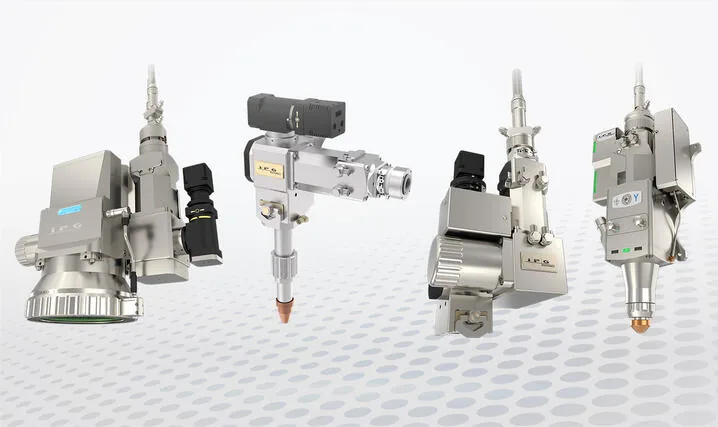
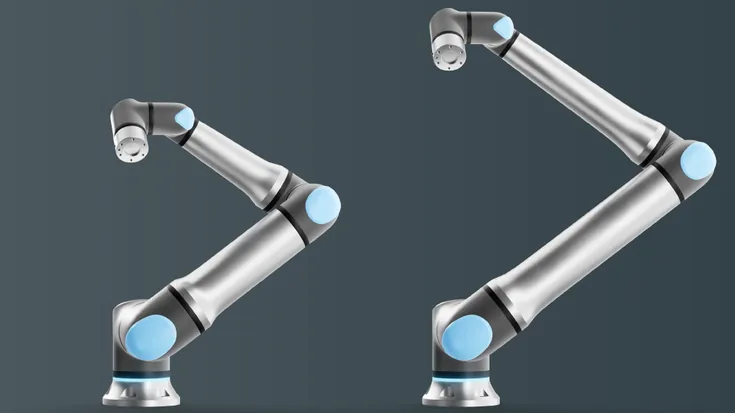
- A robot carrying the head suits 3D parts and long or complex seams, and can be re-taught for new parts.
- A fixed head with the part moving on precision axes suits small, accurate parts and round welds.
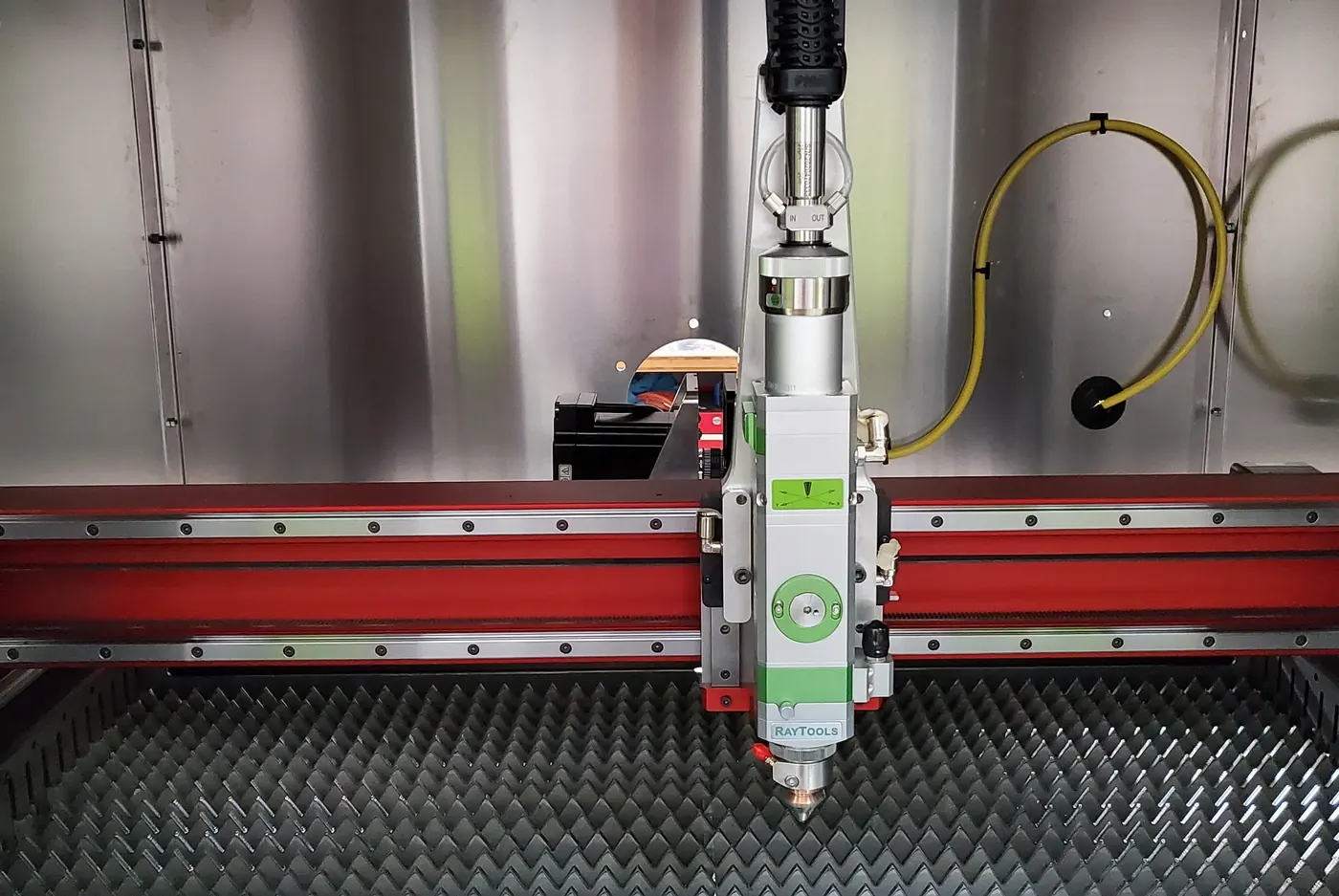
- A scanner head moves the beam with mirrors and suits many short welds close together, such as tabs and battery connections.
Which layout fits your part?
A fixed head with the part moving on precision axes. Accurate and simple for flat parts and long straight or round seams.
A starting point only. A trial on your parts decides.
4. Finding the seam and checking the weld
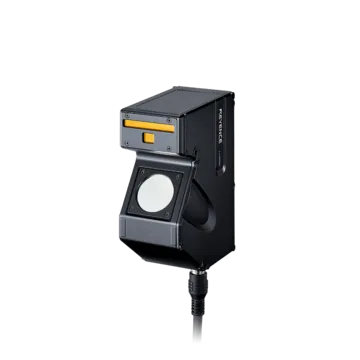
If parts don't land in exactly the same place every time, a camera or seam sensor finds the joint before the weld. After the weld, a 3D laser profiler can measure the bead: width, height, gaps and holes. With both, every part is welded and checked in the same cell, and the result can be saved against the part's serial number. That record is often what quality teams care about most.
5. Safety and the enclosure
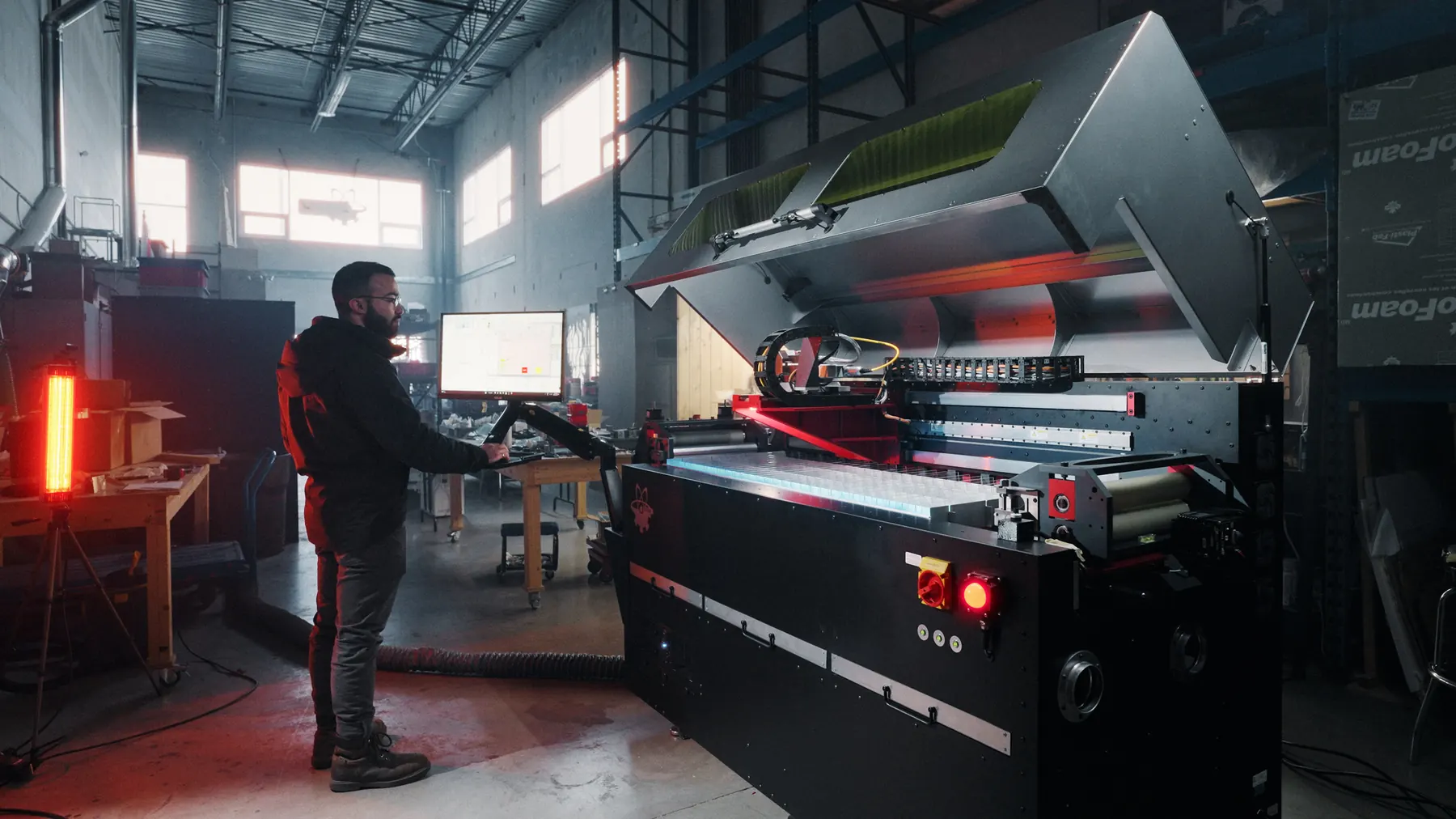
An industrial welding laser is a Class 4 laser: the beam, and its reflections, can injure eyes and skin from across a room. An automated cell is therefore a fully enclosed, interlocked enclosure with laser-safe viewing windows, so the machine as a whole can be operated safely on a normal shop floor. Fume extraction is part of the design, not an add-on. Our machines are built for UL or cUL certification, with CSA on request.
6. How parts get in and out
The weld itself often takes seconds; loading can take longer. Common layouts are a two-station table (an operator loads one side while the other welds), a rotary table, or a robot or cobot that loads parts from trays. Size this to the rate you need, and to how many people you can give the cell.
Start with a trial on your parts
The fastest way through all six decisions is a trial: a few real parts, welded and cut open or measured. It shows what the process window is before anyone designs a machine around it. Send us samples and the drawing, and we will tell you what's possible.
Questions we hear
Can laser welding replace TIG welding on our parts?
Often, on thin and precision parts where distortion and heat matter, as long as the parts fit up consistently. The quickest way to know is a trial weld on your own parts.
Do you build robotic laser welding cells?
Yes. We integrate fiber laser welding heads on robots and fixed stations, with cameras to find the seam and 3D measurement to check the weld, built for UL or cUL certification.
Does a laser welding cell need a special room?
No. A properly designed cell is a fully enclosed, interlocked laser enclosure with laser-safe viewing windows and fume extraction, so it sits on a normal production floor.