Spark Laser engineering team · October 27, 2026
Buying a machineSafety + standards
When a manufacturer asks for a quote on a custom machine, the first answer is often a page of questions. That isn't stalling. A special-purpose machine is designed around your part, your rate and your plant, and every gap in that picture turns into a guess, a safety margin or a line item you can't compare between builders.
Larger companies call the document that closes those gaps a user requirement specification, or URS. It doesn't have to be long or formal. Here is what we, and any good machine builder, need to give you a price and a plan you can act on.
How ready is your quote request?
0 of 8 ready.
1. The parts, with drawings and real samples
- Drawings or 3D models (STEP is ideal) of every part variant the machine must handle, with the dimensions and tolerances that actually matter.
- Real samples, including your worst ones: the warped part, the one at the edge of tolerance, the one with the burr. The machine has to cope with what really arrives, not the nominal part.
- For a laser process, enough material to test. We run trials on your parts before we commit to a design.
2. The rate you need, now and later
Parts per hour or the cycle time you need, how many shifts a day, and how much that might grow in the next few years. A machine sized for today's volume can be very different from one built to double it.
Also say how many variants it must run and how often you change over. Five product types changed once a week and fifty changed every hour lead to different machines.
3. What makes a good part
Your acceptance criteria, the defects you see today, and how parts are checked now. If the machine must inspect parts, say what has to be measured, what decides a reject, and whether results must be saved, for example against a serial number. This is where AI vision or inline measurement either earns its place or doesn't.
4. How parts arrive and where they go
- How parts come in: loose in a bin, in trays, on reels or rolls, or straight off an upstream conveyor.
- Whether a person loads the machine or it must run on its own, and for how long.
- Where finished parts and rejects go, and in what packaging.
5. Your site and utilities
Floor space and ceiling height, the door or freight elevator the machine has to fit through, power (voltage and phase), compressed air, any process gases, network access and fume extraction. Note anything special about the room: clean room, washdown, heat, dust.
6. Standards and paperwork
- Which certification the machine needs where it will run. In Canada and the US that is usually UL or cUL, sometimes CSA.
- Your plant's own safety rules, and any preferred brands for PLCs, drives or safety parts so spares stay common across your floor.
- The documents your quality team will ask for. If you work in a regulated industry, such as medical devices, say what validation evidence the machine has to support.
7. Timeline and a budget range
When the machine has to run, and what drives that date. A rough budget range helps more than people expect: it lets the builder propose the right level of automation, for example manual loading with automatic processing instead of a fully automatic cell, rather than guessing and quoting something you can't use.
8. Who decides
Name the people who will sign off the design: production, quality, maintenance, EHS. Bringing them in at the concept stage is far cheaper than changing the machine after it is built.
What you should get back
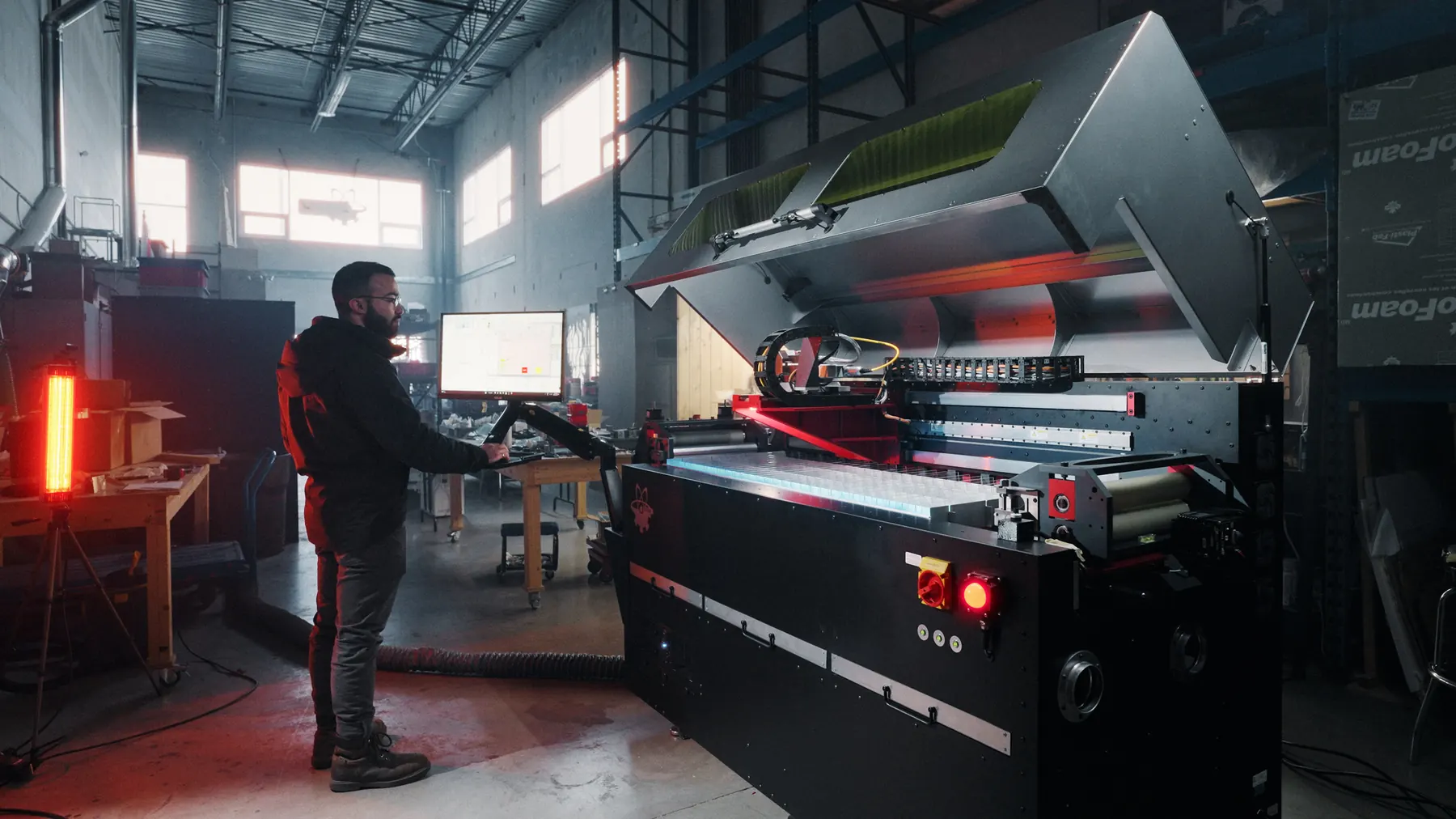
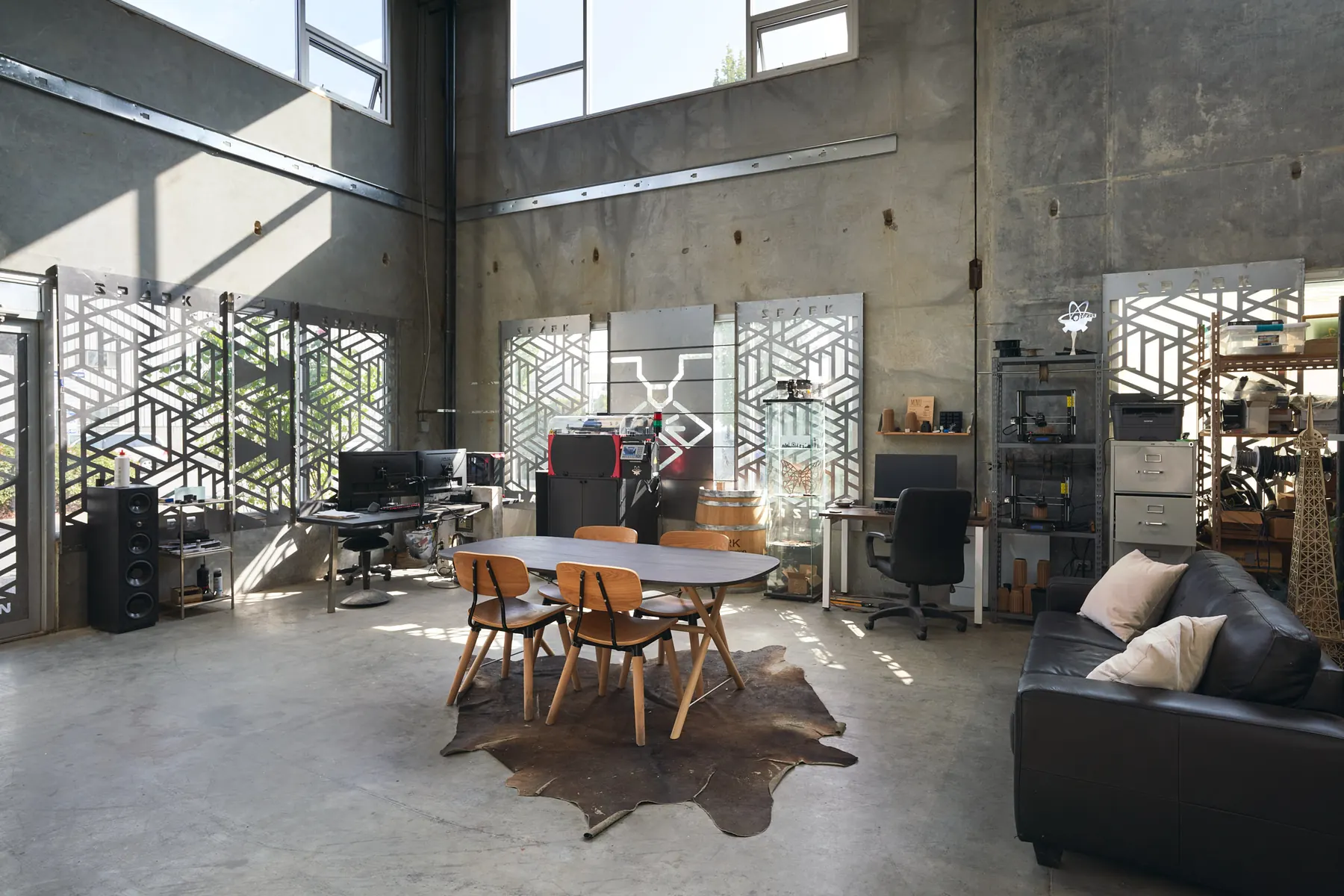
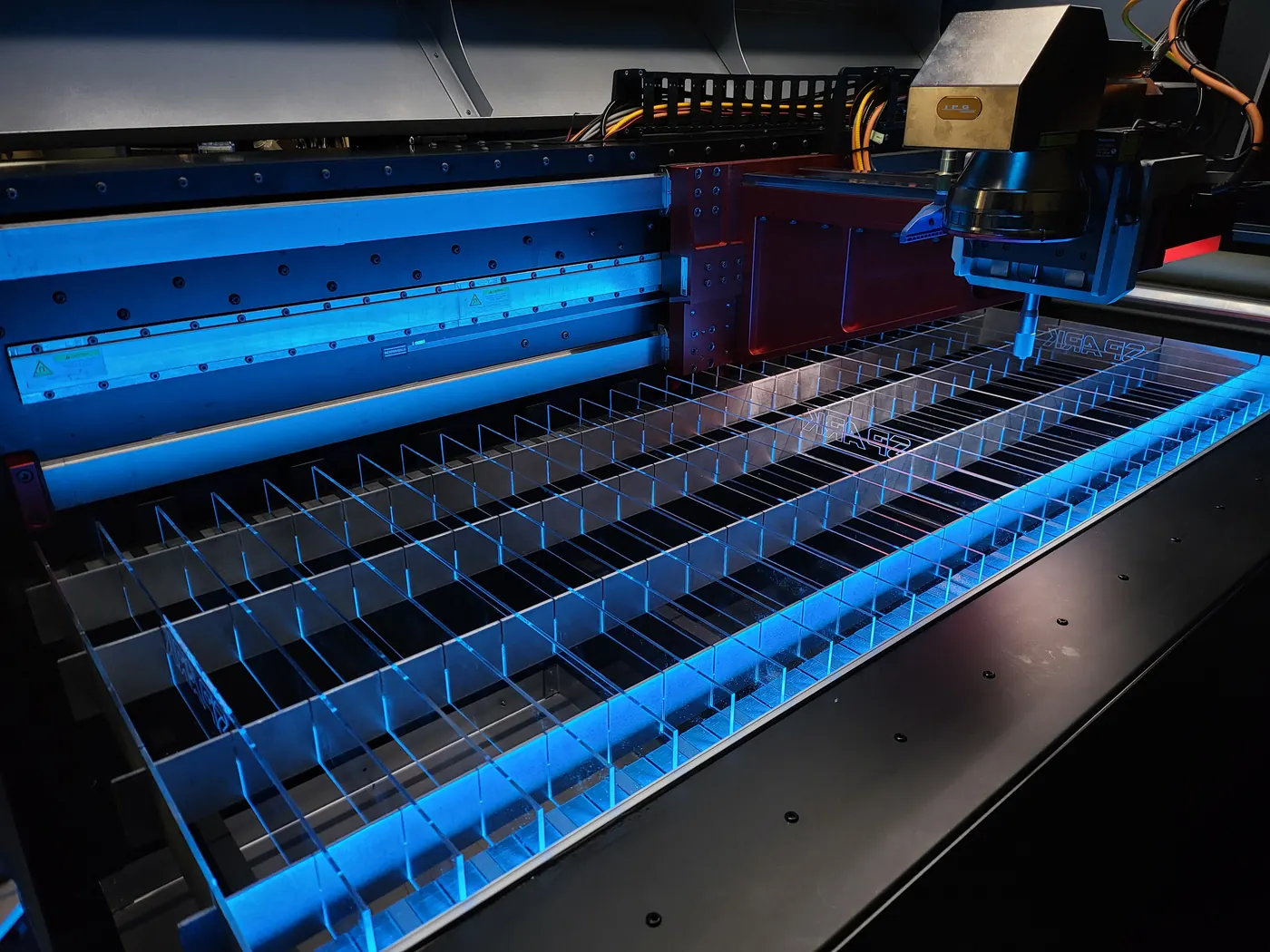
A useful quote is more than a number. At Spark Laser it is a written proposal with the machine layout, the key components (such as the laser source and the vision system) and the cost. Once you go ahead, we model the whole machine in 3D CAD for your sign-off, build it in Richmond, BC, run it on our floor before it ships, then install it and train your operators.
Don't have all of this yet?
That's normal. Send what you have, plus a few sample parts if you can, and book a short call. We'll help you fill in the rest, and you'll end up with a specification you can send to any builder.
Questions we hear
Do I need a full specification before I contact a machine builder?
No. Most projects start with half of this list. A short call and a few sample parts fill in the rest, and the builder should help you write down what's missing.
Will you sign an NDA before we send drawings?
Yes. Work under NDA is normal for us, and most of our clients' projects stay confidential.
Why does the builder want sample parts so early?
Because the process decides the machine. For laser cutting, welding and marking we test on your real material first, so the design is built around a process window we have already seen work.