Spark Laser engineering team · November 15, 2026
Safety + standardsBuying a machine
Your plant's electrical inspector, insurer and safety team will all ask the same question about a new machine: is it certified? A custom machine has no catalogue listing to point to, so the certification has to be planned with the builder, and the best time to do that is before the design starts.
This is a short, plain-language guide to the marks you will see on a machine's label in Canada and the US. It is general information, not legal or engineering advice.
Why the mark matters
In both countries, electrical equipment used at work is generally expected to be approved by a recognised certification body before it is connected. The mark on the label is how an inspector sees that at a glance.
A machine without a mark can sit unconnected on the floor until it is sorted out. Insurers and corporate safety teams often ask for one too.
The marks you will see
The mark says which country's requirements the equipment was checked against, not who built it.
- UL: checked by UL to US requirements.
- cUL: checked by UL to Canadian requirements.
- cULus: one mark that covers both countries.
- CSA: CSA Group's mark, common in Canada; CSA also has marks that cover both countries.
Other accredited certifiers have their own marks too. What matters is that the mark is accepted where the machine will run, and that the people responsible at your plant are happy with it.
Which mark should you ask for?
Ask for a Canadian mark, such as cUL or CSA. Say so on the first call, so it is part of the design.
A general guide, not legal advice. Your inspector and insurer have the final say.
Plan it from the first call
Certification is much easier when the builder knows the target from the start: the parts chosen, the supply voltage and the paperwork all follow from it. Changes found after a machine is built cost more than getting them right in the design.
Two things to have ready before you talk to a builder:
- Where the machine will run: the country, and the plant if you know it.
- Your plant's supply voltage: ask your electrical or maintenance team.
What to ask your machine builder
- Which mark will the machine carry?
- Is that mark accepted where the machine will run?
- What voltage is it designed for, and does it match your plant?
- What documents come with it?
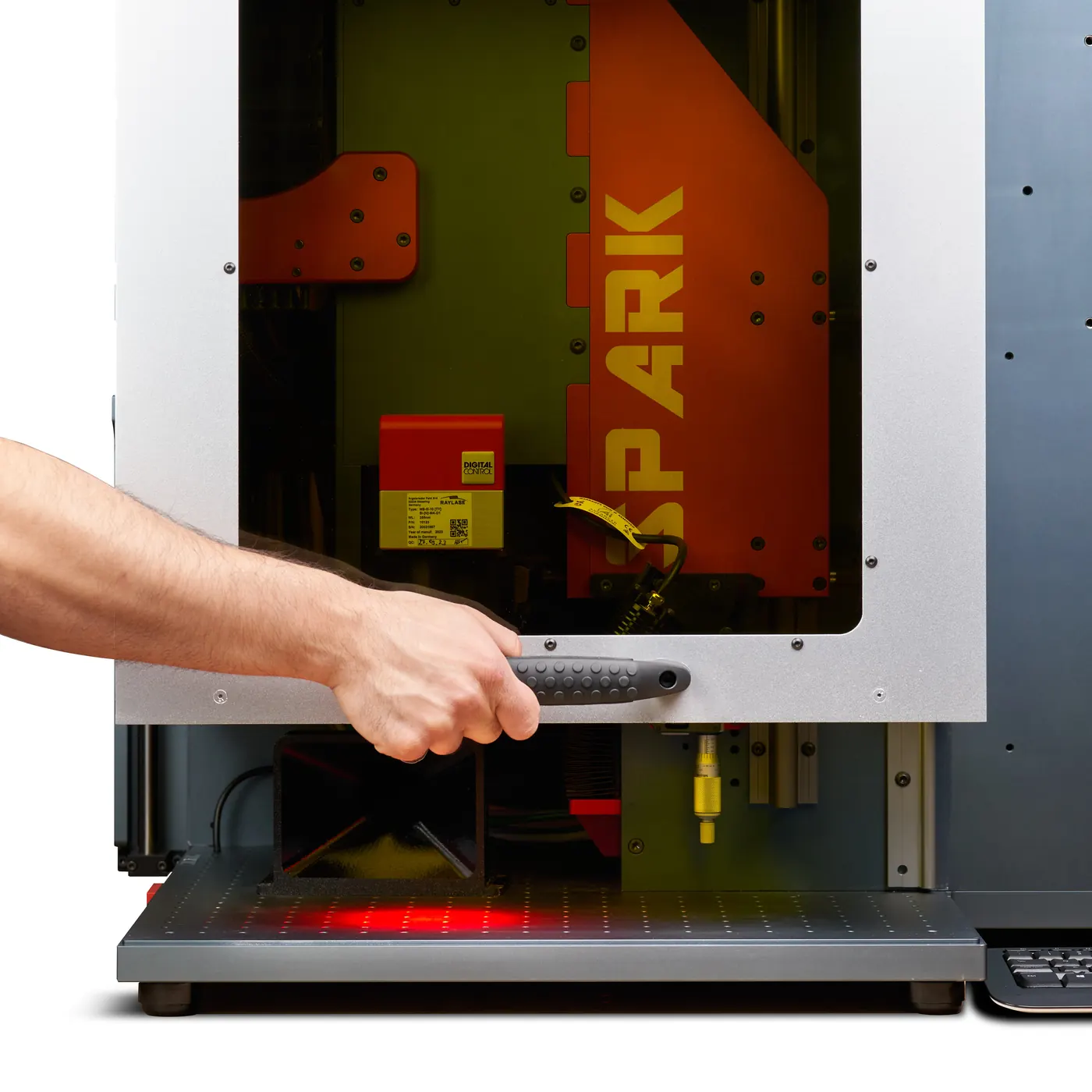
Our custom machines are built mainly to UL and cUL, and CSA is also possible. If you are planning a machine for a plant in Canada or the US, tell us where it will run on the first call.
Questions we hear
Are your machines certified?
Our custom machines are built mainly to UL and cUL, and CSA is also possible. Tell us where the machine will run on the first call.
Does a machine for the US need a different mark than one for Canada?
Usually, yes. A US plant looks for a mark checked to US requirements, such as UL; a Canadian plant looks for a Canadian one, such as cUL or CSA. Some marks cover both. Tell your builder where the machine will run before the design starts.
Who decides whether a mark is accepted?
The people responsible at the plant: the electrical inspector, the insurer and the safety team. If you are not sure, ask them which marks they accept before you order.